
In Nairobi, Kenya, the Comboni Missionaries exemplify the Church’s mandate to heal and comfort the sick through their dedicated work with the Comboni Health Programme (CHP). Embracing the directive from Christ to “Go, preach, and heal the sick” (Euntes docete et curate infirmos), the institute has been at the forefront of providing crucial health interventions.
By Fr. Otieno Kevin Oduor, Mccj
Global Impact and Mission of the Catholic Church in Healthcare
The Catholic Church’s profound influence on global healthcare is a testament to its enduring commitment to the well-being of the marginalized and sick. According to the Pontifical Council for the Pastoral Care of Health Care Workers, Catholic hospitals manage a significant portion of the world’s healthcare infrastructure, accounting for one-quarter of all hospitals globally. This substantial contribution reflects the Church’s dedication to the teachings of Christ, who profoundly identified with the afflicted and marginalized. In Matthew 25:35-40, Christ underscores the importance of caring for the hungry, thirsty, stranger, naked, sick, and imprisoned, equating such acts of charity with service to Him. This scriptural mandate has inspired the Church’s extensive involvement in health care, emphasizing a holistic approach that integrates compassion with medical care.
Comboni Missionaries’ Commitment to Health Care in Nairobi
In Nairobi, Kenya, the Comboni Missionaries exemplify the Church’s mandate to heal and comfort the sick through their dedicated work with the Comboni Health Programme (CHP). This initiative was established in response to the pressing health needs of under-served communities in Korogocho, Kariobangi, and Huruma. Embracing the directive from Christ to “Go, preach, and heal the sick” (Euntes docete et curate infirmos), the Comboni Missionaries have been at the forefront of providing crucial health interventions. Their efforts include not only medical treatment but also community health education, aiming to improve overall health outcomes and address the systemic challenges faced by these communities.
Establishment and Evolution of the Comboni Health Programme
The Comboni Health Programme was founded in 1986 by Sr. Jill Horsefield, a Medical Mission Sister, with the mission of tackling severe health issues stemming from poor sanitation in Korogocho. This initiative initially focused on combating infectious diseases such as cholera, dysentery, typhoid, and intestinal worms through collaboration with local health facilities and extensive community health education. As the programme evolved, it was taken over by the Comboni Missionaries at Kariobangi Catholic Parish, who further expanded its services. They introduced additional clinics for hypertension and specialized medical treatment for children with special needs. This expansion also included strengthening partnerships with other health providers, enhancing the programme’s capacity to offer comprehensive care.
Comprehensive Health Care Services by CHP
The Comboni Health Programme delivers a range of quality health services tailored to the needs of vulnerable populations in Korogocho, Kariobangi, and Huruma. Beyond providing access to essential medicines, CHP focuses on imparting crucial health information, particularly for managing HIV and supporting children with disabilities. The programme operates through two main components: the Comprehensive Care Clinic in Korogocho and the Community-Based Rehabilitation Programme at Holy Trinity Catholic Church in Kariobangi. These initiatives aim to ensure that individuals living with HIV and children with special needs receive the medical care and support necessary to lead healthy, fulfilling lives.
Community Support and HIV Care
The Comprehensive Care Clinic plays a pivotal role in HIV care, offering testing, counseling, and comprehensive health information to manage the disease effectively. Recognizing the importance of community support, CHP has enlisted the help of Community Health Supporters (CHS), who provide critical emotional, psychological, and practical assistance to those living with HIV. These supporters help ensure adherence to medication and offer ongoing follow-up care. They also address social and mental health challenges faced by patients, reporting back to the clinic for professional intervention when necessary. This community-based approach is essential for the sustained success of HIV care programs, fostering a supportive environment for those affected.
Cancer Screening and Advocacy against SGBV
In addition to its work with HIV, the Comprehensive Care Clinic prioritizes cancer screening, particularly cervical cancer, for women living with HIV. Regular screenings are conducted to detect and treat cancer early, improving health outcomes for those affected. The CHP also tackles the issue of sexual and gender-based violence (SGBV) in Korogocho, where such violence is prevalent but often unreported. By engaging in advocacy and providing support services for survivors, CHP addresses the intersection of health and violence, working to create a safer environment for women and children and ensuring they receive the necessary medical and psychological care.
TB Awareness and Support
Tuberculosis (TB) is another critical area of focus for CHP, which conducts outreach and sensitization activities in Korogocho’s Kisumu Ndogo area. In the last three months, CHP screened 1,315 people for TB, identifying 24 cases. The organization addresses the lack of information and poor health-seeking behaviors that contribute to the delayed diagnosis and spread of TB. The challenges are compounded by unsanitary living conditions and substance abuse, which exacerbate the spread of the disease. Through its efforts, CHP aims to improve community awareness about TB and provide support for those diagnosed, working to curb the spread of the disease and improve health outcomes.
Feeding Programme for ill patients
The CHP feeding program offers essential nutritional support to critically ill patients, primarily those with TB who often present with severe weight loss and malnutrition. The program provides food at no cost to patients who are unable to afford it, but this support is temporary and ceases once the patient regains sufficient health. This approach helps avoid creating dependency while ensuring that patients receive the necessary care to recover. By focusing on short-term nutritional support, CHP aids in the recovery process and helps patients return to self-sufficiency.
Support for Children with Disabilities and Family Challenges
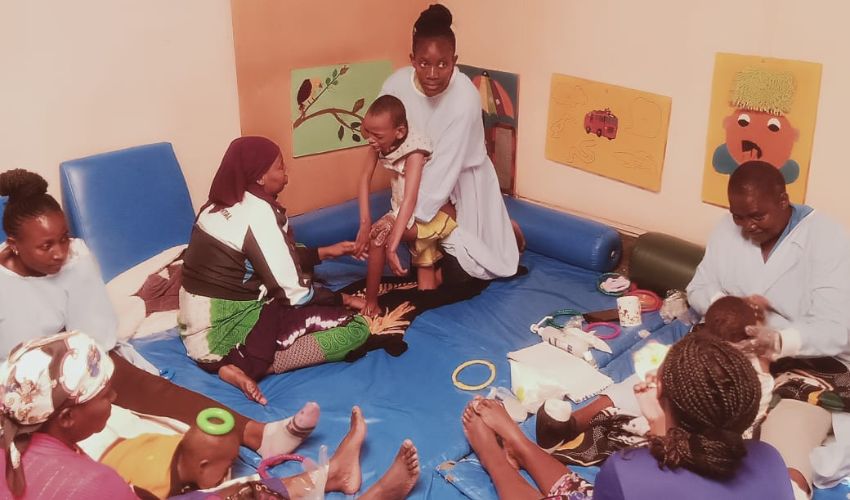
The Comboni Therapy Center addresses the challenges faced by families with children who have disabilities. Many parents in Kariobangi, Huruma, and Korogocho struggle with the financial burden of providing consistent care for their children. The Therapy Center offers a supportive space where children receive necessary therapeutic services and parents can connect, share experiences, and gain support. This initiative ensures that children from various social and economic backgrounds have access to critical therapy services, while also providing a community for parents to receive emotional and practical assistance.
Participatory Therapy and Parent Empowerment
Therapy sessions at the Comboni Therapy Center are conducted thrice a week at Kariobangi Holy Trinity Catholic Church, emphasizing a client-centered approach. This model prioritizes the individual needs of each child, and parents are actively involved in the therapy process. They receive training in therapy techniques tailored to their child’s developmental milestones, encouraging them to continue therapeutic exercises at home. This participatory method has fostered increased confidence among parents and motivated them to engage more effectively in their child’s development, resulting in observed improvements in the children’s milestones.
Psychosocial Support for Caregivers
Recognizing the emotional and psychological strain of caregiving, the Comboni Health Programme has established psychosocial support groups for mothers. These groups provide a platform for caregivers to share their experiences, challenges, and strategies for managing the demands of caregiving. By offering mutual support and encouragement, the groups help caregivers cope with the intense emotions and stress associated with caring for a child with a disability. The support groups aim to improve caregivers’ well-being, making them better equipped to handle their responsibilities and provide optimal care for their children.
Addressing Inadequate Housing for Children with Special Needs
Many families in Kariobangi with children who have special needs live in inadequate housing conditions that hinder their children’s development. These homes are often single-roomed, poorly ventilated, and overcrowded, making it difficult for children with physical disabilities to move freely. The Comboni Health Programme’s home follow-up initiative addresses these issues by assisting families in making simple modifications to their homes. This effort aims to enhance the physical and social development of children and empowers families with the skills needed to support and care for their children effectively.
Support for Children with Convulsions
For children experiencing convulsions, the CHP provides anticonvulsant medication and facilitates access to necessary neurological treatments. The program encourages parents to contribute towards the cost of the medication, ensuring that treatment is both accessible and sustainable. The CHP, with the help of social workers, ensures that children receive consistent treatment and attend their neurological appointments. This approach supports the management of convulsions and helps improve the overall health and well-being of affected children.
Monitoring and Evaluating Impact
The Comboni Health Programme is committed to continuously monitoring and evaluating its activities to assess their impact on the communities it serves. This ongoing evaluation helps ensure the effectiveness of health interventions and the achievement of program goals. The programme expresses gratitude to its benefactors, partners, and health personnel for their vital contributions. By engaging in regular assessment, CHP aims to refine its strategies and enhance the quality of care provided, ultimately striving to make a meaningful difference in the health and lives of its target population.

Comments are closed